In Loiyangalani, Marsabit County where temperatures can go as high as 30°C/95°F, fresh vegetables are rare but despite the smouldering heat and harsh desert environment, we grow vegetables on our on-site grow house that we set up in 2022 in partnership with Living Machines, an organic farming expert organisation. The objective is to enhance food security and create a knowledge transfer platform for our employees.
Located a few metres from the LTWP Village Restaurant, the grow house is covered with a green mesh and surrounded by trees. You will immediately feel the cool temperature as you walk in. Next to the grow house is a structure that is used to hold organic waste and turn it into compost.
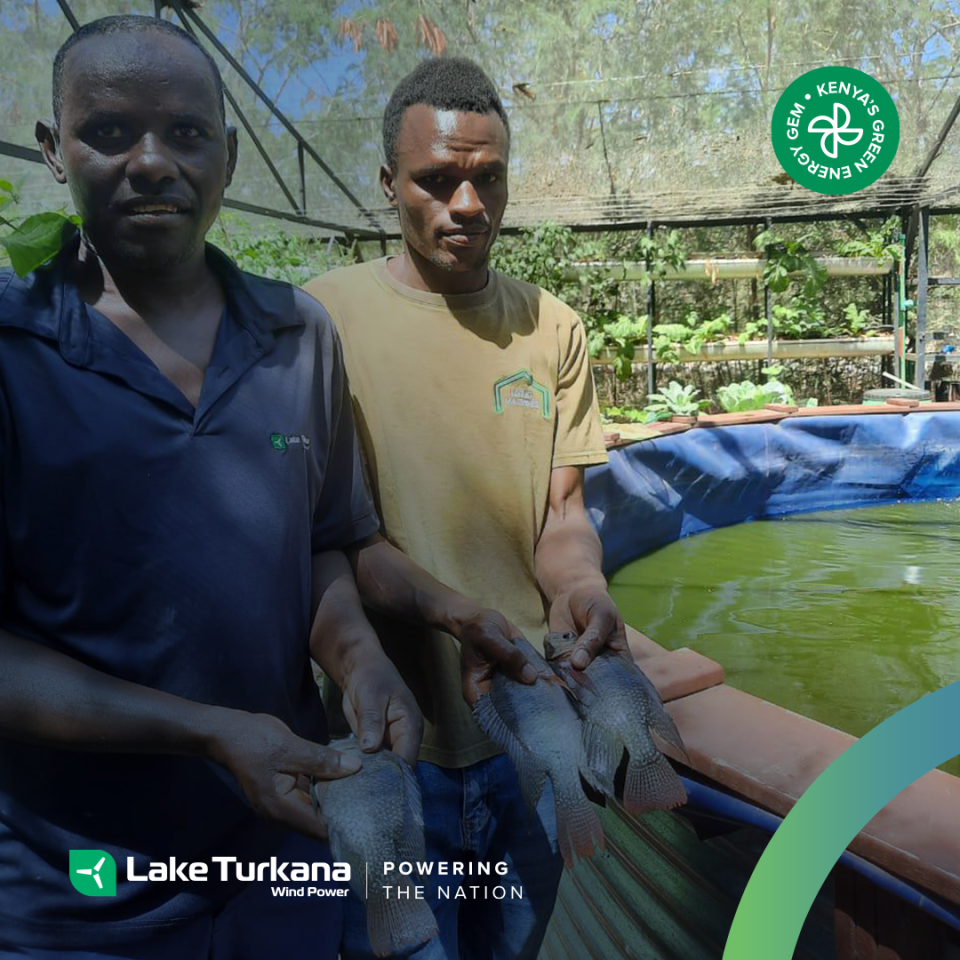
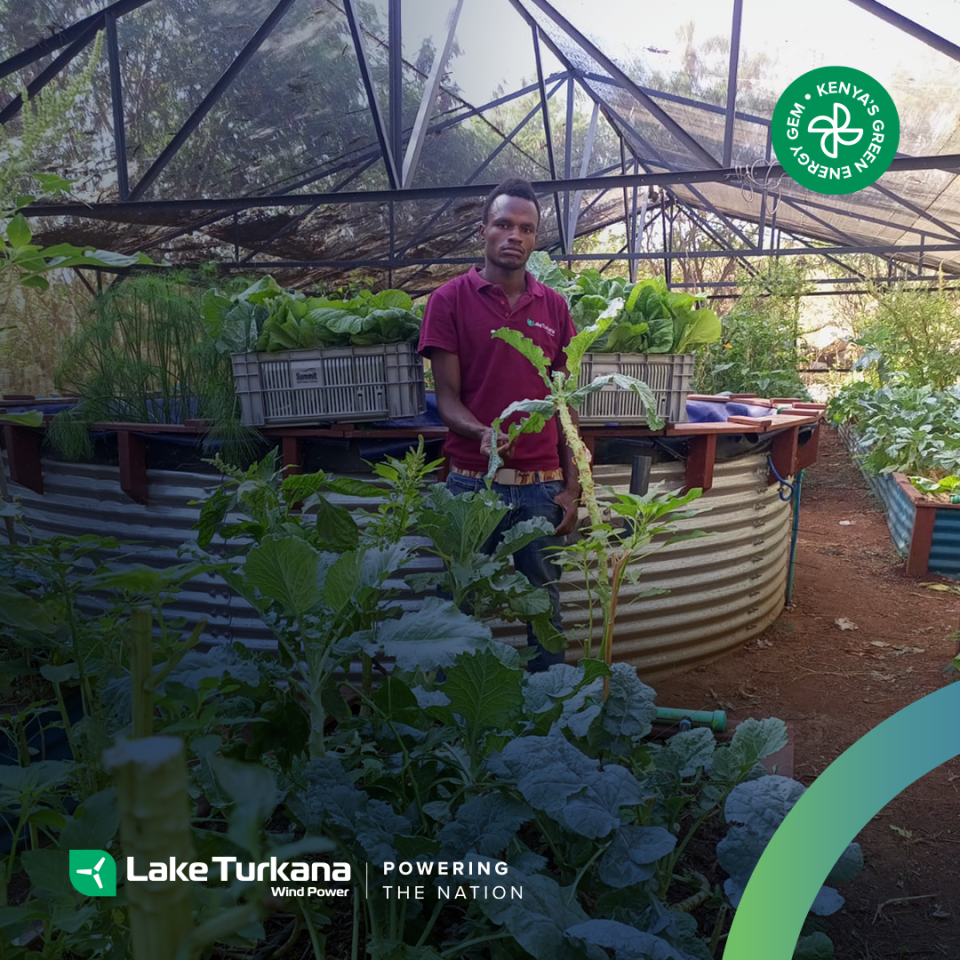
The grow house is managed by two of our employees – Mr Delta Lesupeer and Mr Boi Galfure. They use organic practices to grow a variety of horticulture like spinach, kale, amaranth, pumpkins, peppers, tomatoes, leeks, sweet potatoes, and herbs.
The team uses organic material like paper, raw kitchen waste like fruits, and vegetables, dry grass, twigs and leaves to make compost and compost is used when planting to give the soil adequate nutrients.
In addition to the compost, the duo also makes fertiliser using the Comfrey plant whose leaves contain a significant amount of all three major plant nutrients namely: nitrogen, phosphorus and potassium. The team cuts the leaves, puts them in a bucket with water and anaerobically ferments the mixture. The result is known as comfrey tea fertiliser which is sprayed on the plants to ensure a chemical-free produce.
As you walk around the grow house, you will notice the healthy vegetables that are neatly grown in rows and watered using drip irrigation. At the centre, there is a fish fertigation system that was set up by the Living Machines team to supply nutrient-rich water to the crops – showcasing a synergy between aquaculture and agriculture.
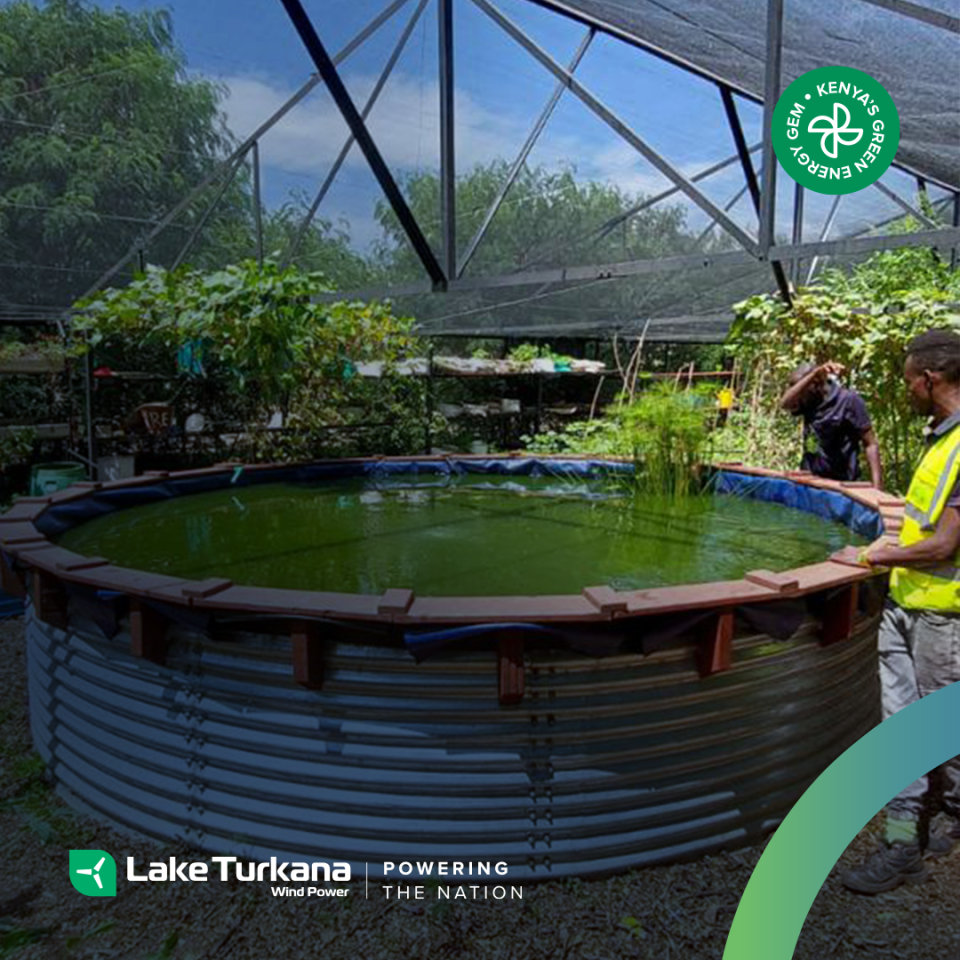
Harvests range from 80 to 140 kilograms of fresh organic vegetables monthly, gathered once or twice a week, with all produce used in staff meals.
Courtesy of the grow house, in the last 2.5 years, both Lesupeer and Galfure have gained experience in pest management, composting, and crop health maintenance.
Knowledge transfer
Regular site visits and check-ins by the Living Machines team have resulted in the transfer of knowledge enabling our team to enhance cultivation techniques and boost productivity. This ongoing learning process has improved the skills of staff and fostered a culture of innovation and sustainability.
Our employees are always encouraged to participate in farming workshops and practical sessions. This has inspired some of them to start their kitchen garden projects in their homes.
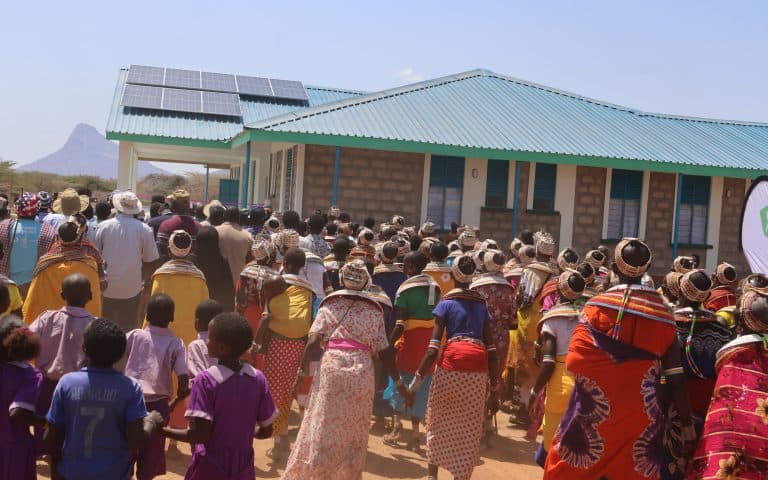
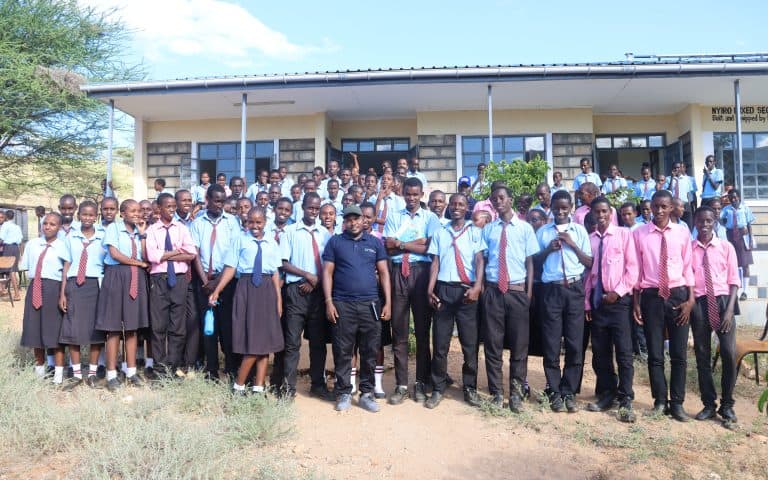
We have also engaged the local community by establishing three grow houses at Anderi Primary School, Nyiro Girls Secondary School, and Nyiro Boys Secondary School. Through these donations by LTWP’s NGO Winds of Change, students are actively involved in maintaining these grow houses and the produce provides health supplements to their school meals.
Grow house committees formed by students have taken full management and ownership of the grow houses, supported by their Agriculture teachers. This has made learning fun and students apply the knowledge they learn in class into practice.
Plans for establishing additional grow houses in our other satellite accommodation units as well as in the communities around our area of operation are underway, with an emphasis on rotating crops and introducing new vegetable varieties.
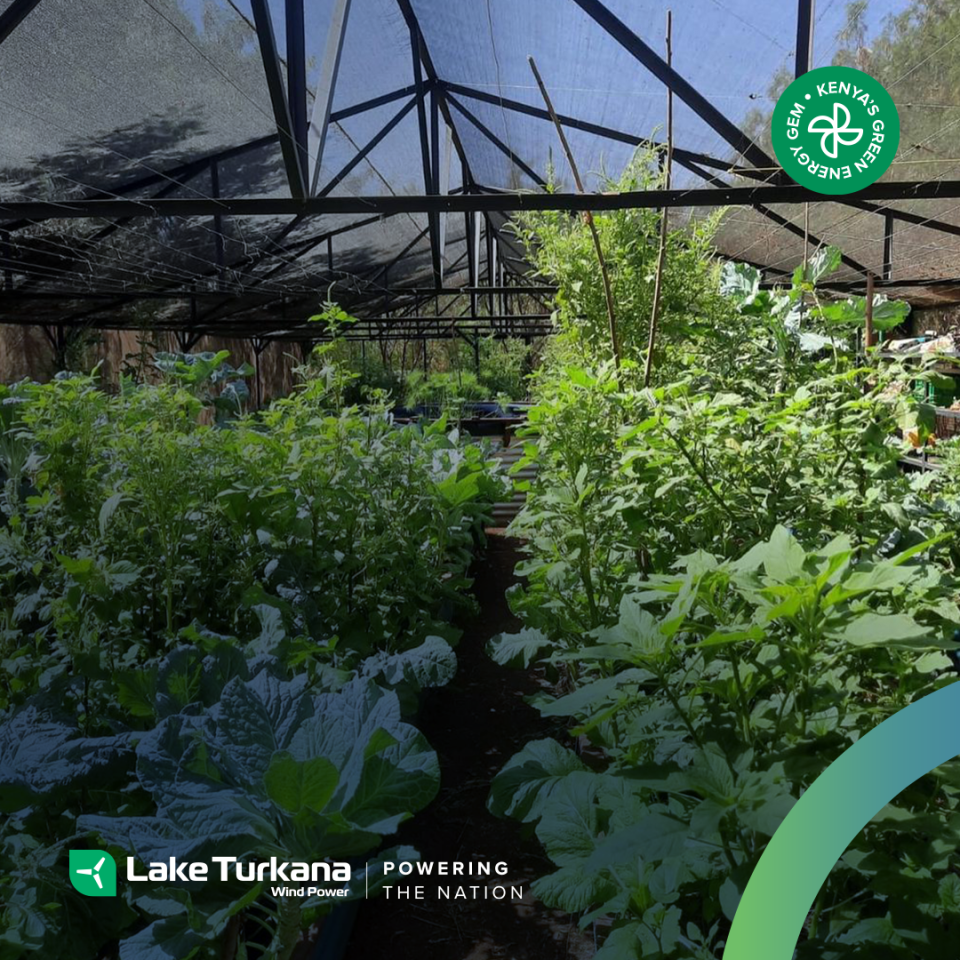
The grow house concept exemplifies how sustainable practices can thrive even in challenging environments, transforming local landscapes and enhancing lives. It also aligns with our commitment to reducing carbon emissions and promoting renewable energy.